
Every pet owner wishes their furry friend could stay with them longer. We often rush to vets only when pets are sick, but pet longevity depends on “nurturing”, not just “treating diseases”. Here are 10 little-known maintenance tips from veterinarians—especially the key to the first year of pet ownership—that will help your pet live longer and healthier.
1. The First Year of Pet Ownership: The “Golden Period” for Lifelong Health (Top Priority)
Many pet owners underestimate the first year, but veterinarians confirm 80% of pet geriatric diseases stem from poor care in this critical period. The first year is not about fattening your pet, but building a solid foundation—including intestinal flora, immunity, habits, and disease screening. Skipping check-ups, random feeding, or irregular deworming can lay long-term health risks.
Focus on basic care in the first year, and you’ll set your pet up for a longer life.
Focus on basic care in the first year, and you’ll set your pet up for a longer life.
2. 10 Veterinarians’ Secret Tips for Pet Longevity (Low-Cost & Easy to Follow)
These simple, daily habits are strictly followed by veterinarians but rarely emphasized—they’re basic but easy to overlook.
Secret 1: Keep Diet Simple, Avoid Mixed Feeding
Veterinarians never feed their pets human food, frequent food changes, or excessive snacks/supplements. Overfeeding or random feeding burdens pets’ fragile intestines, leading to illness and shorter lifespans.
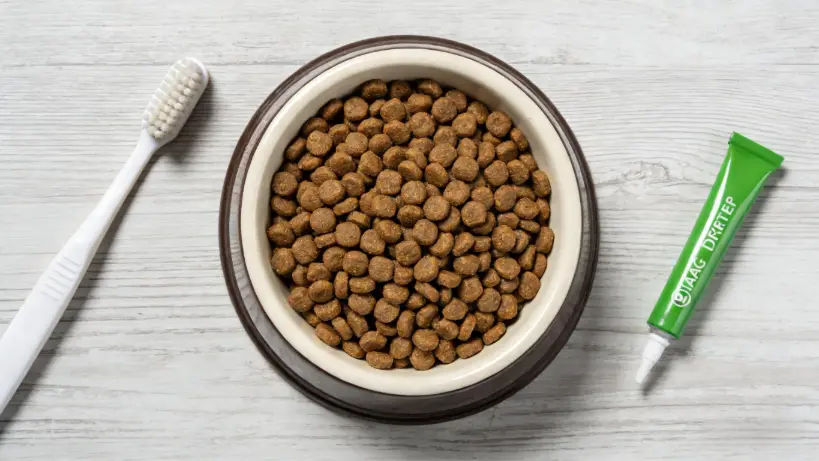
Tip: Stick to one suitable main food; snacks ≤10% of daily intake; supplements (fish oil, calcium) as needed.
Secret 2: Don’t Skip Deworming (Internal & External)
Even indoor pets can get parasites via your shoes/clothes. Long-term deworming neglect causes malnutrition, anemia, and organ damage.
Tip: Puppies/kittens: internal deworming every 3 months, external monthly (starting at 6 weeks). Adults: internal every 3-6 months, external monthly.
Secret 3: Comprehensive Check-Up in the First Year
A full check-up (blood work, liver/kidney function, infectious disease screening, heart exam) in the first year detects congenital or potential issues early, avoiding future complications—especially important for purebred pets.

Secret 4: Control Weight, Avoid Obesity
Obesity shortens pet lifespans by 2-3 years and causes diabetes, arthritis, and heart disease. “Chubby” is not healthy.
Tip: Fixed daily feeding amount; daily exercise (1-2 walks for dogs, 15 mins play for cats); regular weight checks.
Secret 5: Oral Care from Year 1
Oral diseases (periodontitis, calculus) cause bad breath, tooth loss, and even liver/kidney infections. Start care early.
Tip: Brush teeth 2-3 times a week (pet-specific products); occasional chew sticks for cleaning.
Secret 6: Don’t Bathe Too Often
Frequent bathing damages pets’ skin barrier, leading to dryness, itching, and skin diseases.
Tip: Dogs: 1-2 weeks (summer), 2-3 weeks (winter). Cats: once a month. Use pet-specific body wash and dry thoroughly.
Secret 7: Adequate Clean Water
Dehydration causes urinary problems (stones, nephritis), especially in cats. Avoid raw water (bacteria risk).
Tip: Change boiled/cooled water daily; use a water dispenser to encourage drinking.
Secret 8: Avoid Stress, Provide Security
Stress (environment changes, loud noises) weakens immunity and induces illness in puppies/kittens. Keep their environment quiet and stable.
Secret 9: Vaccinate On Time
Vaccines prevent fatal diseases (distemper, panleukopenia, rabies). Puppies/kittens: 3 shots (8 weeks onward, every 3 weeks) + rabies at 3 months; annual boosters.
Secret 10: Prioritize Emotional Well-Being
Loneliness and anxiety reduce immunity. Regular play and companionship keep pets emotionally stable and longer-lived.
3. Frequently Asked Questions (FAQs) About Pet Longevity
Q1: Is a fatter pet healthier?
No. Obesity burdens organs and causes diseases. A healthy pet has palpable ribs (not prominent) and no belly fat.
Q2: No check-up needed in the first year?
No. The first year is key for detecting hidden issues early, which extends lifespan.
Q3: Indoor pets don’t need deworming?
No. Parasites can enter via shoes/clothes—deworm on schedule to avoid health risks.
Q4: More supplements = longer life?
No. Excessive supplements burden organs. Only give what your pet needs.
Q5: Senior pets don’t need exercise?
No. Gentle exercise (20-30 mins walks for dogs, 10 mins play for cats) prevents arthritis and obesity.
Pets’ lifespans are short, but good daily care—especially in the first year—lets them stay with you longer. You don’t need expensive products, just these simple habits.
May every furry friend live a safe, healthy, and long life ❤️