Nothing worries pet owners more than their fur babies suffering from loose stools, vomiting, or poor appetite. According to the 2026 Global Pet Industry Report, digestive health has become the top concern for pet parents worldwide, with over 68% of cat and dog owners specifically choosing “easy-to-digest, gut-friendly” functional treats. However, many end up wasting money on the wrong products, which only add burden to their pets’ digestive systems. Today, we’ll break down the ultimate guide to choosing gut-healthy treats, helping you avoid pitfalls and pick the best options.
1. Why Is Digestive Health a Top Priority for Pet Owners?
Cats and dogs have much more delicate digestive systems than humans, and their intestines are also their main immune organs. Once the gut is damaged, it can lead to allergies, skin problems, and weakened immunity. Data shows that 89% of pets have experienced health issues due to improper feeding, with 62% being digestive system diseases; 68% of cats and dogs have had symptoms like loose stools or vomiting, and 45% of owners have made their pets’ conditions worse by blind conditioning. As treats are an essential part of daily interaction, choosing gut-friendly options in advance can reduce the risk of digestive problems.
2. What Type of Gut-Healthy Treats Do 68% of Pet Owners Choose?
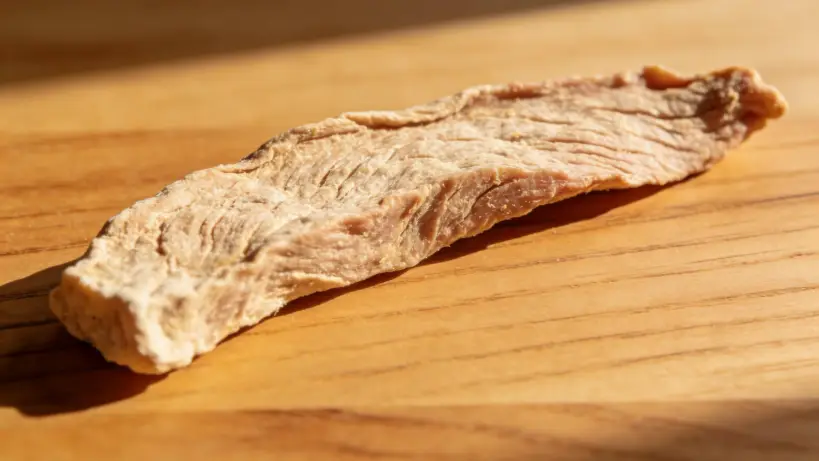
There are 3 types of truly reliable, clinically proven gut-healthy treats that beginners can choose directly:
Single-Meat Source Freeze-Dried Treats (Top Choice)
With freeze-drying technology to lock in freshness and no additives, these treats have only 1-3 ingredients—single fresh meat (such as chicken breast, salmon, etc.). They are easy to digest, low in burden, and rich in high-quality protein, making them suitable for pets with sensitive guts, puppies, kittens, and senior pets. They are perfect for training and daily interaction. Popular overseas brands for this type include Stella & Chewy’s (well-known for single-meat freeze-dried treats, no artificial additives), Primal Pet Foods (uses human-grade meat, suitable for sensitive pets), and Instinct (offers a variety of single-protein freeze-dried options for cats and dogs).
Easy-to-Digest Meat Strips/Dried Meat (Daily Essential)
Made with low-temperature drying technology, these treats have no excess oil and use low-fat fresh meat. They are soft in texture and suitable for all healthy pets. Some high-quality options add prebiotics to help regulate intestinal flora. Recommended overseas brands: Zuke’s (soft meat strips with natural ingredients, ideal for daily rewards), Wellness Core (low-fat dried meat, no grains or artificial preservatives), and Blue Buffalo (gentle drying process, suitable for all life stages).
Functional Gut-Healthy Treats (For Specific Needs)
These treats contain pet-specific probiotics, prebiotics, and other gut-nourishing ingredients, which can help relieve loose stools and repair the intestinal lining. However, they cannot replace medication—if your pet has severe digestive issues, consult a vet first before using these treats as a supplement. Trusted overseas brands: Pro Plan Veterinary Diets (functional treats with probiotics, designed for gut-sensitive pets), Royal Canin (targeted gut-friendly treats for different pet needs), and Hill’s Science Diet (gentle formulas with prebiotics to support intestinal health).
3. 3 Steps to Choose the Right Gut-Healthy Treats (Beginner-Friendly)
Remember these 3 steps to avoid marketing gimmicks and choose the right gut-healthy treats:
Step 1: Check the Ingredient List (Most Important)
3 Key Points: ① The first ingredient should be single fresh meat—avoid meat meal or meat by-products; ② No harmful additives such as attractants or preservatives; ③ No high salt, high sugar, or high fat. The simpler the ingredient list, the better—high-quality treats usually have only 1-3 ingredients.
Step 2: Check the Production Process & Material
Choose natural fresh meat—avoid low-quality or synthetic meat; opt for freeze-dried or low-temperature dried processes, and avoid fried or marinated ones. For puppies and kittens, choose soft options (freeze-dried crumbs, soft meat strips); for adult pets, you can choose chewy treats as needed.
Step 3: Check Reputation & Purchase Channels
Choose reputable, certified brands—avoid unbranded products; buy from pet stores or official brand websites. Pay attention to the shelf life, and finish the treats within 1 month after opening.
4. 5 Types of “Fake” Gut-Healthy Treats to Avoid at All Costs
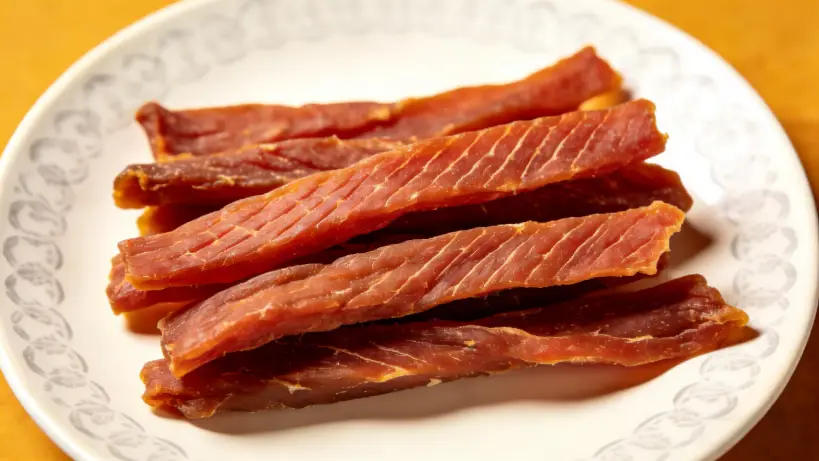
These “gut-damaging” treats claim to be gut-friendly but actually harm your pet’s health—never buy them:
- Fried Treats: High in fat and salt, easy to cause obesity, pancreatitis, and digestive discomfort;
- Colorful/Overly Fragrant Treats: Contain a lot of artificial additives, easy to make pets addicted and damage their internal organs;
- Treats with Unknown Meat: Low-quality, unknown raw materials, easy to breed bacteria, causing digestive discomfort or even poisoning;
- Treats with Harmful Ingredients: Contain xylitol, onions, chocolate, etc., which are toxic to pets;
- Human Snacks: High in salt, sugar, and fat, which pets cannot metabolize, damaging their gut and liver.
5. Feed Treats Scientifically for Better Gut Protection
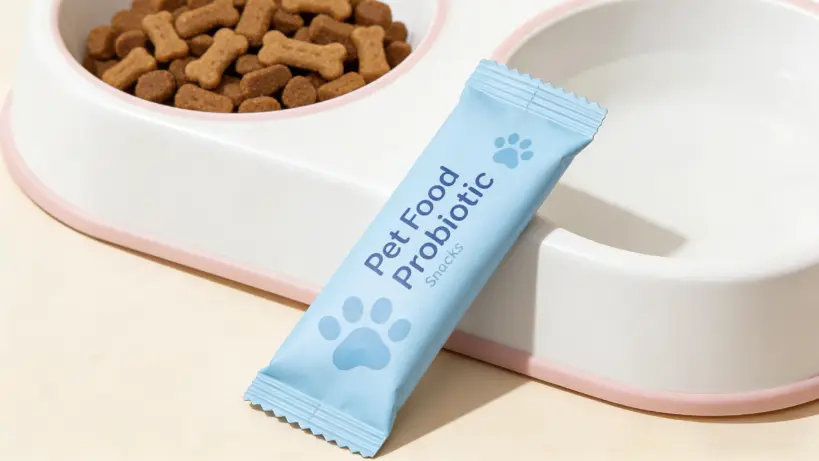
Choosing the right treats is not enough—feeding them correctly doubles the gut-protecting effect. Remember these 4 tips:
- Control the Amount: The total daily treat intake should not exceed 10% of the main meal (e.g., if your pet eats 100g of main food daily, treats should be no more than 10g) to avoid pickiness and obesity;
- Control the Frequency: You can feed a small amount daily for training, and 1-2 times a week for daily comfort;
- Do Not Replace the Main Meal: Treats are only supplements—never reduce the amount of the main meal, which is the core source of nutrition for pets;
- Adapt to Health Conditions: For pets with sensitive guts, illness, or puppies/kittens under 3 months old, feed little or no treats, or choose mild options.
6. FAQs (Answers to Common Pet Owner Questions)
Q1: Can puppies/kittens over 3 months old eat gut-healthy treats? A: Yes. Prioritize soft, easy-to-chew options like freeze-dried crumbs or soft meat strips. Feed a small amount first, observe the gut reaction, and increase gradually if there is no discomfort.
Q2: Can gut-healthy treats replace probiotics for gut conditioning? A: No. Gut-healthy treats are daily supplements. If your pet has frequent loose stools or vomiting, use pet-specific probiotics or consult a vet—do not rely on treats.
Q3: How to store opened gut-healthy treats to maintain taste and health? A: Seal them and store in a cool, dry place, away from moisture and direct sunlight. Finish them within 1 month; discard any leftovers after 1 month to prevent spoilage.
Q4: What’s the safest gut-healthy treat for pets with sensitive guts? A: Single-meat source freeze-dried treats (with only one type of fresh meat in the ingredient list) are the best choice—no additives, minimal gut burden, and less likely to cause allergies or discomfort.